
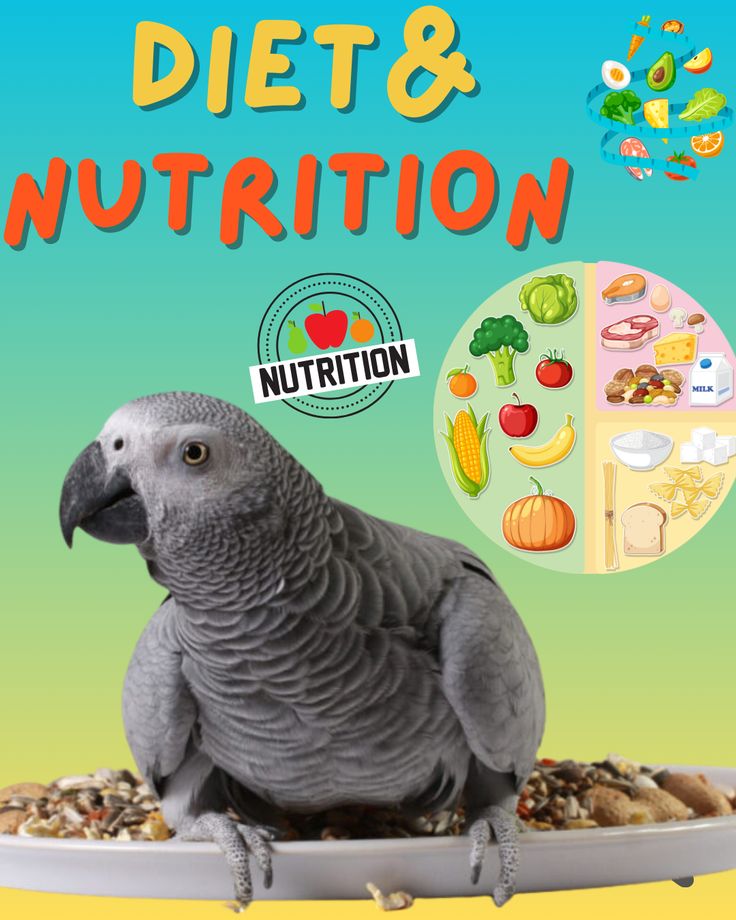
Good nutrition is the single most important factor in your African Grey’s health and longevity. With proper care and diet, your Grey can live 40 to 60 years or more. Get the diet wrong, and you’re looking at a lifetime of health problems.
This guide covers everything you need to know—from daily meals to toxic foods—so your feathered friend stays healthy for decades.
The Foundation: Pellets
High-quality pellets should make up 60–70% of your Grey’s daily diet. Pellets are formulated to provide complete, balanced nutrition—something seeds alone can’t offer.
Recommended Brands
| Brand | Why It’s Good |
|---|---|
| Harrison’s | Organic, high-quality ingredients, trusted by avian vets |
| Roudybush | Well-balanced, widely available, good for picky eaters |
| Zupreem Natural | No artificial colors, good nutritional profile |
| Lafeber | Excellent for transitioning seed addicts |
How to Transition to Pellets
If your Grey is used to seeds, transitioning can be challenging. Be patient—it may take weeks or months.
The gradual method:
-
Week 1: 10% pellets, 90% current diet
-
Week 2: 20% pellets, 80% current diet
-
Week 3: 30% pellets, 70% current diet
-
Continue increasing slowly until pellets dominate
Pro tips:
-
Try different brands—Greys have preferences
-
Moistened pellets are sometimes more appealing
-
Mix pellets with chopped vegetables to encourage tasting
-
Offer pellets in the morning when they’re hungriest
Fresh Foods: Vegetables and Fruits
Fresh fruits and vegetables should make up 20–30% of the diet. Offer a variety daily—Greys need different nutrients from different colors and textures.
Daily Vegetables (10–15%)
These should form the bulk of fresh foods and be offered daily:
| Vegetable | Benefits |
|---|---|
| Dark leafy greens (kale, collards, Swiss chard) | Calcium, vitamin A, antioxidants |
| Bell peppers (all colors) | Vitamin C, beta-carotene |
| Broccoli | Calcium, vitamin C, fiber |
| Carrots | Vitamin A, beta-carotene |
| Sweet potatoes (cooked) | Vitamin A, fiber, potassium |
| Butternut squash | Vitamin A, vitamin C, fiber |
| Green beans | Fiber, vitamins A & C |
| Zucchini | Hydration, vitamins B & C |
| Corn | Carbohydrates, fiber (limit—it’s starchy) |
Occasional Vegetables (1–2 times weekly)
| Vegetable | Notes |
|---|---|
| Peas | Good source of protein and fiber |
| Cooked beans (kidney, lentils, chickpeas) | Protein, fiber—cook thoroughly |
| Cooked grains (quinoa, brown rice, oats) | Complex carbohydrates, minerals |
Fruits (10% or less)
Fruit is high in sugar and should be limited. Offer 1–2 times per week:
| Fruit | Benefits | Frequency |
|---|---|---|
| Apples (remove seeds) | Vitamin C, fiber | 2x/week |
| Bananas | Potassium, magnesium | 1x/week |
| Berries (blueberries, raspberries, strawberries) | Antioxidants, vitamin C | 2x/week |
| Mango | Vitamin A, C, beta-carotene | 2x/week |
| Papaya | Vitamin A, C, digestive enzymes | 2x/week |
| Pomegranate | Antioxidants | 1x/week |
| Kiwi | Vitamin C, fiber | 1x/week |
| Melon (cantaloupe, honeydew) | Hydration, vitamin A | 1x/week |
Seeds and Nuts: Treats Only
Seeds and nuts should make up 5–10% of the diet maximum. They’re high in fat and lack essential nutrients.
Safe Seeds (Limited)
-
Sunflower seeds (high fat—use as treats)
-
Safflower seeds (less fat than sunflower)
-
Millet (low fat, safe as occasional treats)
-
Hemp seeds (good protein and omega fatty acids)
-
Flax seeds (omega-3 fatty acids)
-
Chia seeds (calcium, protein, fiber)
Safe Nuts (Limited)
-
Almonds (raw, unsalted)
-
Walnuts (raw, unsalted)
-
Pecans (raw, unsalted)
-
Cashews (raw, unsalted)
-
Pistachios (raw, unsalted)
-
Macadamia (raw, unsalted—limit, high fat)
Note: All nuts should be raw and unsalted. Salted or roasted nuts are dangerous.
Healthy Treats
Use these for training and bonding—in small amounts:
| Treat | Notes |
|---|---|
| Fresh fruit | Small pieces |
| Nuts | 1–2 per day max |
| Hard-boiled egg (cooked) | Protein boost—no salt |
| Cooked pasta (plain) | Carbs for energy |
| Whole grain bread | Small piece |
| Plain popcorn (air-popped) | Fun treat—no salt, no butter |
Toxic Foods: Never Feed These
These foods are dangerous or fatal to African Greys:
| Food | Danger |
|---|---|
| Avocado | Highly toxic—can be fatal |
| Chocolate | Toxic to birds |
| Caffeine (coffee, tea, soda) | Toxic |
| Alcohol | Toxic—can be fatal |
| Onions | Causes anemia |
| Garlic (large amounts) | Causes anemia |
| Apple seeds | Contain cyanide |
| Fruit pits (peaches, plums, cherries) | Contain cyanide |
| Rhubarb | Toxic |
| Mushrooms | Toxic |
| Tomato leaves/vines | Toxic |
| High-sodium foods | Dangerous to kidneys |
| High-sugar foods | Obesity, diabetes risk |
| Processed foods | Preservatives, additives, salt |
| Dairy products (large amounts) | Lactose intolerance |
| Raw beans/legumes | Toxic (must be thoroughly cooked) |
Water: The Essential Nutrient
Fresh, clean water must be available at all times.
| Guideline | Detail |
|---|---|
| Change | Daily minimum |
| Bowl type | Stainless steel or ceramic (avoid plastic—bacteria risk) |
| Bowl placement | Not under perches (prevents droppings) |
| Bowl size | Large enough to bathe but not too large |
| Filtration | Filtered or bottled is best if tap water is heavily treated |
| Watch for | Droppings, food debris, or cloudy water—change immediately |
Supplements: When and What
Most Greys on a balanced pellet and fresh food diet don’t need supplements.
When Supplementation May Be Needed
| Condition | Supplement |
|---|---|
| Calcium deficiency (dark, lethargic, seizures) | Calcium supplement |
| Vitamin A deficiency (respiratory issues) | Vitamin A (beta-carotene) |
| Pickiness/limited diet | Multivitamin |
| Molting or breeding | Extra protein and calcium |
| Underlying health condition | Vet-prescribed specific supplements |
Consult your avian vet before starting any supplement. Too much can be as dangerous as too little.
Natural Calcium Sources
-
Cuttlebone
-
Mineral blocks
-
Dark leafy greens
-
Broccoli
-
Hard-boiled eggs
Sample Daily Meal Plan
Morning (Breakfast)
-
High-quality pellets
-
Small piece of fresh fruit (optional)
Mid-Morning
-
Fresh vegetables (3-4 varieties)
-
Dark leafy greens
Afternoon
-
Pellets available all day
-
Training treats (nuts or seeds, small amounts)
Evening (Dinner)
-
Cooked vegetables (sweet potato, carrots)
-
Small portion of cooked grains (quinoa, brown rice)
-
Fresh vegetables
Ongoing
-
Fresh, clean water available at all times
-
Cuttlebone or mineral block available 24/7
Feeding Schedule & Portion Guide
| Age | Feeding Frequency | Amount |
|---|---|---|
| Baby/Weaning | 3-4 times daily | Small meals, demand-fed |
| Juvenile (under 1 year) | 3 times daily | Growing fast—more food |
| Adult | 2 times daily | 1/4–1/2 cup pellets + 1/2 cup fresh food |
| Senior (30+ years) | 2 times daily | May need smaller, softer meals |
Signs of Nutritional Problems
Watch for these warning signs:
| Symptom | Possible Issue |
|---|---|
| Fluffed feathers, lethargy | Calcium deficiency, illness |
| Weight loss/gain | Improper diet, illness |
| Dull, broken feathers | Protein or nutrient deficiency |
| Respiratory issues | Vitamin A deficiency |
| Beak deformities | Calcium or mineral imbalance |
| Behavioral issues (screaming, biting) | Nutrient deficiency, boredom (often diet-related) |
Consult your avian vet if you notice any of these signs.
Safe Food List Summary
✅ Safe Daily Foods
| Category | Foods |
|---|---|
| Pellets | Harrison’s, Roudybush, Zupreem Natural, Lafeber |
| Leafy Greens | Kale, collard greens, Swiss chard, bok choy |
| Vegetables | Bell peppers, broccoli, carrots, sweet potato, butternut squash, zucchini, green beans |
| Grains | Quinoa, brown rice, oats (cooked) |
| Legumes | Lentils, chickpeas, kidney beans (cooked) |
✅ Safe Occasional Foods
| Category | Foods |
|---|---|
| Fruits | Apples (no seeds), bananas, berries, mango, papaya, kiwi, melon |
| Nuts | Almonds, walnuts, pecans, cashews (all raw, unsalted) |
| Seeds | Sunflower, safflower, millet, hemp, chia |
| Treats | Hard-boiled egg, plain pasta, air-popped popcorn, whole grain bread |
❌ Never Feed
| Category | Foods |
|---|---|
| Toxic | Avocado, chocolate, caffeine, alcohol, onions, garlic, rhubarb, mushrooms |
| Dangerous | Apple seeds, fruit pits, tomato leaves/vines, raw beans |
| Avoid | Salted foods, sugary foods, processed foods, dairy (large amounts) |
The Grey Parrot Companion Promise
At Grey Parrot Companions, we believe great nutrition starts with the right information. Whether you’re feeding a baby or a senior Grey, our team is here to help you make the best choices for your feathered friend.
Ready to welcome an African Grey into your family? Browse available parrots or learn about our adoption program.
Need personalized nutrition advice? Contact our team—we’re here to help every step of the way.
