
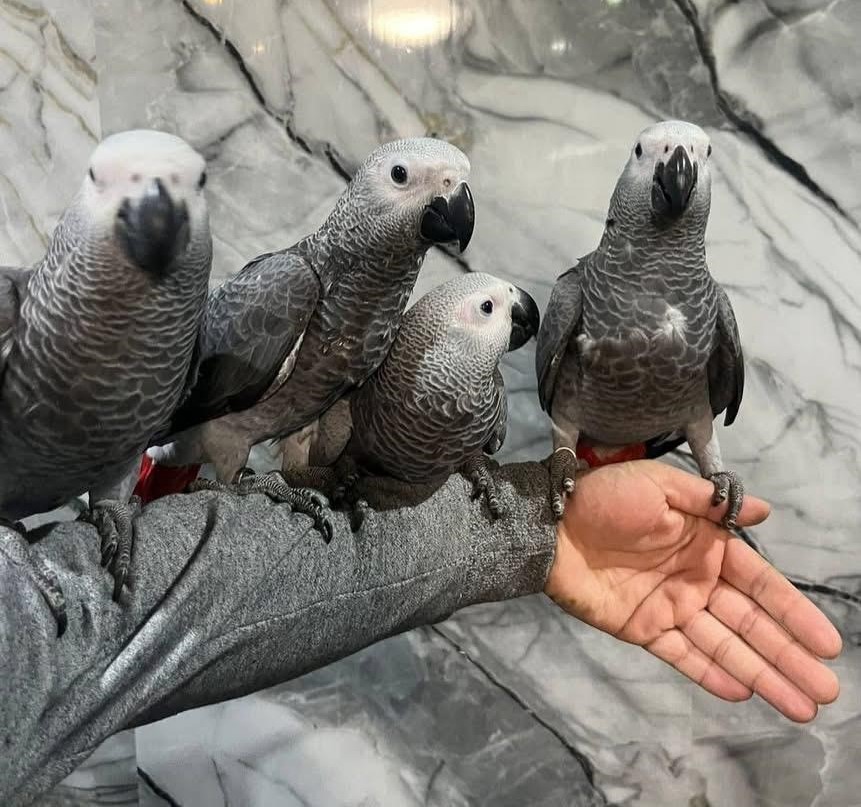
Welcome to the most important guide you’ll ever read as an African Grey parent. Whether you’re bringing home your first Grey or have shared your life with one for years, understanding their unique needs is the key to a happy, healthy companion.
African Greys aren’t just pets—they’re intelligent, sensitive souls who can share your life for 40 to 60 years or more. They form deep bonds, develop distinct personalities, and need dedicated care to thrive.
This guide covers the essentials: diet, housing, daily care, and enrichment. Let’s get started.
Feeding Your African Grey: The Diet That Keeps Them Thriving
Good nutrition is the foundation of a long, healthy life. African Greys need a carefully balanced diet to avoid common deficiencies like hypocalcemia (calcium deficiency).
The Ideal Daily Diet
High-quality pellets should make up 60–70% of your bird’s diet. Look for brands like Harrison’s or Roudybush—these are formulated to provide complete nutrition.
Fresh fruits and vegetables should make up 20–30%. Daily servings of leafy greens, bell peppers, carrots, broccoli, and sweet potato are excellent choices. Offer fruit sparingly—about 10% or less—as it’s high in sugar.
Seeds and nuts are treats, not meals. They’re high in fat, so reserve them for training rewards or occasional snacks.
Foods to Avoid – Toxic and Dangerous
Never feed your African Grey:
-
Avocado (highly toxic)
-
Chocolate, caffeine, and alcohol
-
Fruit pits and apple seeds
-
Onions and garlic
-
High-sodium, high-sugar, or fatty foods
Water & Supplements
Fresh, clean water must be available at all times. Change water bowls daily. If you’re concerned about calcium intake, talk to your avian vet about supplements—some Greys benefit from additional support. A cuttlebone can provide calcium and help keep the beak healthy.
Housing: Creating a Safe, Comfortable Home
The right cage isn’t just a box—it’s your Grey’s sanctuary. Get this right, and you’re already ahead.
Cage Size and Specifications
Your African Grey needs room to spread their wings, climb, and play without feeling cramped.
| Requirement | Specification |
|---|---|
| Minimum dimensions | 36″ x 24″ x 48″ tall |
| Bar spacing | ¾” to 1″ (prevent escape or getting stuck) |
| Material | Stainless steel or powder-coated metal (safe for birds) |
Important: Width is more important than height. A wider cage is safer—if your bird falls, a shorter distance means less risk of injury.
Perches
Offer a variety of perches with different diameters and textures to keep your Grey’s feet healthy. Natural branches are especially good—they let birds grip and exercise their feet naturally.
Perch diameter should be no more than 2.5 inches— wide enough to prevent slipping, but not so wide they can’t grip securely. Avoid placing perches directly above food and water bowls—you don’t want droppings to fall into them.
Where to Place the Cage
Location matters enormously. Place the cage in an active part of your home where your Grey can socialize with the family. But avoid:
-
The kitchen (cooking fumes, especially Teflon fumes, are fatal to birds)
-
Drafty areas (windows, doors, air conditioning vents)
-
Loud, chaotic areas that could cause stress
-
Directly in front of windows—some Greys feel vulnerable and exposed
Toys and Enrichment
A bored Grey is an unhappy Grey. These birds are among the most intelligent on the planet—they need mental stimulation daily.
Provide a variety of toys and rotate them regularly to prevent boredom. Think:
-
Wooden chew toys (for beak exercise and foraging)
-
Puzzle feeders
-
Shreddable materials (cardboard, paper)
-
Foraging toys that encourage natural food-seeking behavior
Introduce new toys one at a time—Greys don’t always deal well with sudden change, and a single new item is less overwhelming.
Daily Care Routine
Social Interaction
Your African Grey needs 3–4 hours of supervised time outside the cage each day. They’re deeply social and need daily interaction, training, and attention. Without this, you risk behavioral problems like screaming, aggression, or feather plucking.
Bathing and Grooming
Offer a bath or gentle misting 2–3 times per week. African Greys produce powder down to keep their feathers conditioned, but dust and oils can build up in our homes. Regular bathing keeps their feathers clean and healthy.
Nail and wing care: Consult an avian vet about nail trims and wing feather maintenance. For wing feathers, many experts recommend allowing your Grey to fledge (learn to fly properly) before any trimming—this builds confidence and coordination. If you do trim, ask for a mild trim so your Grey can still glide safely.
Cleaning
Spot-clean daily: Remove discarded food and soiled material. Wash food and water bowls thoroughly every single day.
Deep-clean weekly: Remove your bird to a safe travel cage. Discard old liner material, clean perches and toys with bird-safe cleaner or a 3% bleach solution (rinse thoroughly!), and let everything dry completely before returning your Grey.
Health Monitoring
Annual vet check-ups are essential. Watch for these warning signs:
-
Eye or nasal discharge
-
Loss of appetite
-
Fluffed feathers for long periods
-
Vomiting or limping
-
Change in droppings
If you notice any of these, contact an avian vet immediately.
Understanding Your African Grey’s Emotional Needs
Here’s the part many first-time owners miss: African Greys are sensitive, intelligent, and easily stressed. They need a stable, predictable environment to feel secure.
Reducing Anxiety
-
Place a visual barrier (blanket or towel) over part of the cage so your Grey can hide when they feel vulnerable
-
Keep the environment calm—loud noises and chaotic activity can trigger stress and feather plucking
-
Speak in soft, gentle tones, especially if your Grey seems anxious or restless
-
Stick to a consistent daily routine—Greys don’t like surprises
Behavioral Challenges
Feather plucking, screaming, and biting are common problems that stem from stress, boredom, or health issues. If you notice any of these, start by checking:
-
Enrichment and toys (are they bored?)
-
Social interaction (are they getting enough time with you?)
-
Environment (is it too noisy or stressful?)
-
Health (could there be an underlying medical issue?)
Always address behavioral problems with patience and positive reinforcement, never punishment. Your Grey trusts you—that trust takes time to build and moments to break.
The Grey Parrot Companion Promise
At Grey Parrot Companions, we don’t just help you find a parrot—we’re here for every step of your journey together. Whether you need help with diet, training, or behavior, our team is just an email or phone call away.
Ready to welcome an African Grey into your family? Browse available parrots or learn about our adoption program.
Quick Reference: African Grey Facts
| Fact | Detail |
|---|---|
| Lifespan | 40–60+ years (proper care) |
| Species | Congo (larger, red tail) & Timneh (smaller, maroon tail) |
| Talking ability | Hundreds of words; known for context and comprehension |
| Minimum cage size | 36″ x 24″ x 48″ |
| Daily out-of-cage time | 3–4 hours |
| Diet | 60–70% pellets, 20–30% vegetables, limited fruit/seeds |
| Annual vet check | Essential |
Download Your Free Printable Care Checklist
Want a printable version of this guide to keep by your bird’s cage? Download the PDF here.
Need personalized advice? Contact our team—we’re here to help every step of the way.
